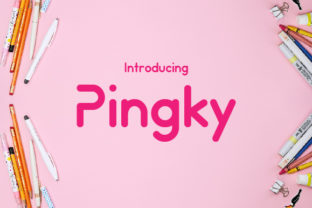
Pinky: The Perfect Sans Serif Font for Handmade Labels and Branding
I was staring at a blank screen, trying to finalize the mockup for my new line of soy candles. I had just printed out a batch of sample labels, but something felt off. The text looked too stiff, too corporate for the cozy, handmade vibe I was going for. That’s when I decided to swap out my usual go-to typeface for Pinky. Within minutes, the entire design shifted. It wasn’t just a font change; it was a mood change. As a highly legible sans serif font, Pinky has a perfect readability that immediately caught my eye, but it also added a fun touch to my designs that I hadn’t realized was missing. If you are a crafter, Etsy seller, or printable creator looking to elevate your shop materials, this might be the creative spark you need.
Pinky for Product Labels and Boutique Packaging Design
When you start creating physical products like stickers, boutique tags, or product labels, the typography is often the first thing a customer notices. Using Pinky as your primary display font can transform a simple item into a branded experience. I recently tested this on a sheet of vinyl stickers intended for water bottles. Because Pinky is a sans serif font with clean lines and open counters, it remained crisp even at smaller sizes. This is crucial for small-scale crafting where every pixel counts. The high legibility ensures that your product names and slogans are readable from a distance, which is essential for market stalls or online listing images where customers scroll quickly. By choosing a modern typography style like Pinky, you signal quality and attention to detail before the buyer even touches the product.
The versatility of these fonts allows them to work across various mediums. Whether you are designing packaging for soaps, jewelry boxes, or holiday gift bags, Pinky provides a consistent brand identity. Its friendly yet professional aesthetic bridges the gap between playful and premium. For instance, when I used it for a set of wedding favor tags, the font felt elegant enough for a formal event but approachable enough for a casual backyard celebration. This adaptability makes it an invaluable asset in your design toolkit, especially when you are trying to appeal to a broad audience without sacrificing your unique artistic voice.
Pinky for Greeting Cards and Wedding Stationery
Creating digital downloads for greeting cards and wedding invitations requires a delicate balance of decoration and clarity. I often find myself pairing Pinky with a more decorative script font to create visual hierarchy. In one recent project, I designed a series of birthday party invitation templates. I used Pinky for the main details—date, time, and location—because its sans serif structure ensures that guests can easily read the important information. Then, I layered a whimsical script over the word "Celebrate" to add personality. This combination leverages the perfect readability of Pinky while allowing other creative fonts to shine.
This approach works exceptionally well for editorial design tasks like magazine covers or book titles, as mentioned in the font’s description. Even though you might not be publishing a full magazine, using Pinky for headlines on your printable wall art or planner covers mimics that polished, published look. It adds authority and clarity to your digital assets. When buyers download your templates, they will appreciate how easy it is to customize. The clean lines of the sans serif font make it straightforward to edit in common software like Canva or Adobe Illustrator, reducing friction for your customers and potentially leading to better reviews for your shop.
Pinky for Cricut Projects and Vinyl Cutting Machines
If you use cutting machines like Cricut or Silhouette, you know that not all fonts cut cleanly. Thin lines can break, and overly complex serifs can get lost in the material. Pinky stands out as an excellent choice for vinyl decals, mugs, and shirts because of its robust structure. I tested it on a set of tote bag designs for a summer craft fair. The boldness of the letters held up beautifully against the fabric texture, ensuring the slogan was visible and impactful. Unlike some decorative fonts that require intricate weeding (removing excess vinyl), Pinky’s straightforward geometry makes the cutting process faster and less prone to error.
This efficiency is vital for handmade sellers who are scaling their production. When you can design and cut a label or decal quickly without worrying about fine details falling apart, you increase your output. Furthermore, the fun touch that Pinky adds to designs means your final product doesn’t look generic. It retains a handcrafted charm even when produced in bulk. Whether you are making seasonal signs for Halloween or personalized name tags for a baby shower, the reliability of this font ensures your message comes through clearly. It is a practical choice that doesn’t compromise on style.
Pinky for Social Media Graphics and Shop Branding
In the world of online selling, your social media graphics are your storefront window. You need text that pops on small mobile screens. Pinky excels in this environment due to its high contrast and clear shapes. I have found that using Pinky for sale announcements, new drop alerts, and behind-the-scenes posts helps maintain a cohesive brand identity across Instagram, Pinterest, and TikTok. Its modern typography style aligns well with current design trends, making your content feel fresh and relevant.
Moreover, the font’s ability to handle both short phrases and longer text means you can use it consistently across different platforms. For example, you might use it for a large headline on a Pinterest pin and then switch to a slightly lighter weight for the body text describing your product. This consistency builds trust and recognition. Customers begin to associate the clean, friendly look of Pinky with your brand, which can lead to higher engagement rates. When designing web design elements or email newsletters for your shop, sticking to a proven, legible sans serif font like Pinky reduces cognitive load for your visitors, making it easier for them to read your offers and click through to your store.
Why Crafters Should Consider Pinky for Their Creative Assets
Ultimately, the decision to incorporate Pinky into your workflow comes down to value and versatility. It is not just another font; it is a tool that enhances the perceived quality of your handmade goods. From logos and slogans to books and newspapers, the applications are vast. As a commercial font, it offers peace of mind when you are selling physical products or digital templates. You can focus on your creativity rather than worrying about whether the text will render correctly or if it fits the aesthetic of your brand.
I recommend experimenting with Pinky in your next project. Try it on a set of planner pages to see how it handles long lists, or use it for a farmhouse sign to test its rustic-modern appeal. The key is to let the font guide your design choices. Its fun touch invites creativity, while its perfect readability ensures your message is never lost. By integrating this sans serif font into your design assets, you are investing in the professionalism and attractiveness of your shop. Whether you are a hobbyist making gifts for friends or a small business owner preparing for the holiday rush, Pinky is a reliable partner in bringing your vision to life.